Your basket is currently empty!

























Understanding bleed 2
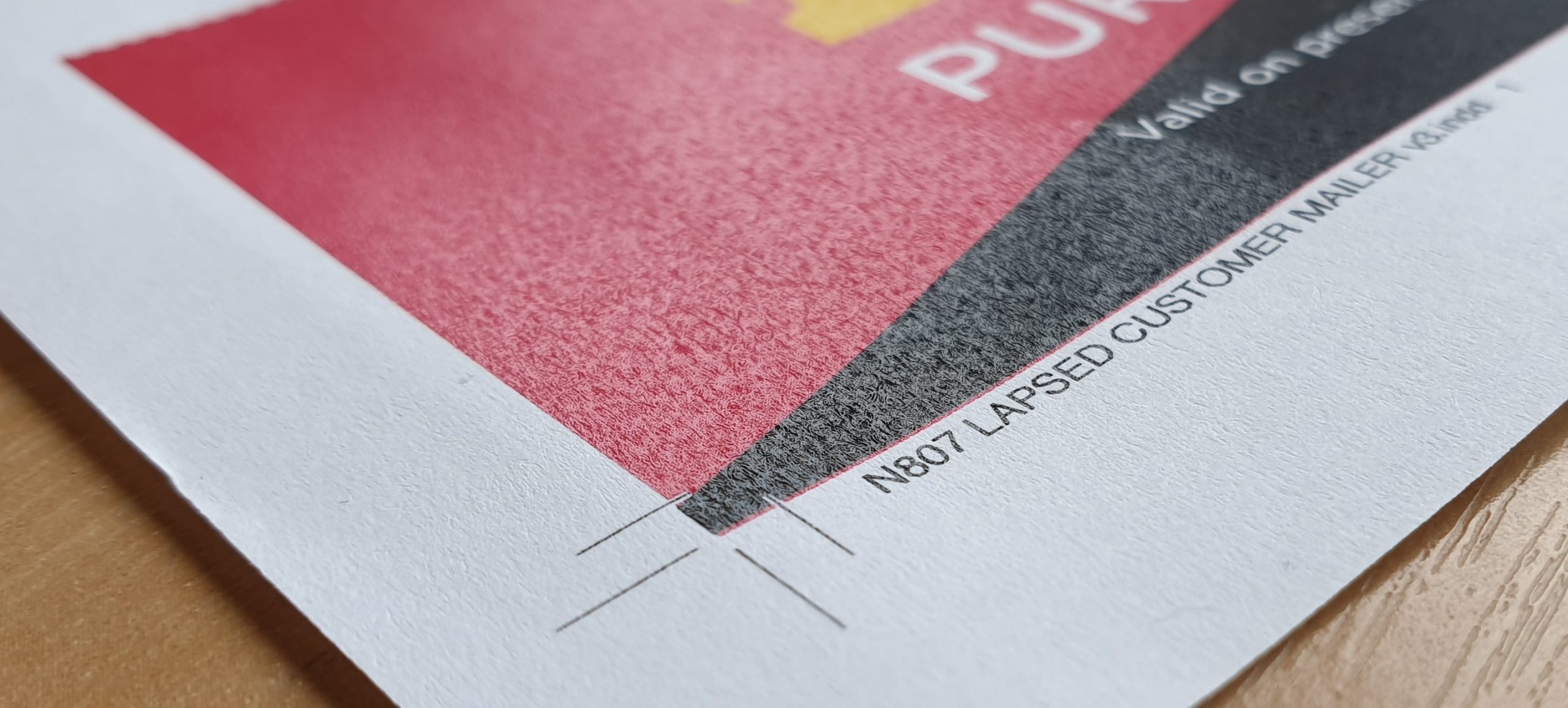
When you’re preparing artwork for large format printing, you’ll often hear designers and printers talk about “bleed”. But what exactly is it? Bleed refers to the extra space that extends beyond the final trim size of your printed piece. This extra margin ensures your design reaches all the way to the edge of the paper after trimming, eliminating those unsightly white borders that can make your print look unprofessional.
For large format printing projects such as banners, posters, exhibition graphics and outdoor signage, bleed is particularly important due to the sheer size of the materials and the mechanical cutting processes involved. The required bleed varies significantly depending on the specific material you’re printing on. Here are our standard bleed requirements:
Bleed by material
- Fabrics: 50mm bleed
- Rigid boards (like Foamex and Dispa): 3mm bleed
- Vinyl and Easy Dot: 3mm bleed
- Paper posters: 3mm bleed
For all large format prints, we request artwork without crop marks and saved as high resolution PDF files. These requirements ensure optimal results for each material’s
Including proper bleed in your design files isn’t just a technical formality – it’s essential for achieving professional results. Even with the most precise cutting equipment available today, minor shifts during the trimming process are practically inevitable. Bleed provides that crucial safety margin that ensures your design extends fully to the edge after trimming.
When you want your design to extend completely to the edges (what printers call “full-bleed” printing), you simply must include bleed in your file. Without it, you risk ending up with thin white lines along the edges of your print – a telltale sign of amateur preparation that can undermine the impact of an otherwise impressive design.
For large format projects specifically, the larger dimensions make proper bleed even more critical as even minor alignment issues become much more noticeable on a banner or poster than they might on a business card. Taking the time to set up your bleed correctly saves both time and money by preventing the need for revisions and reprints.